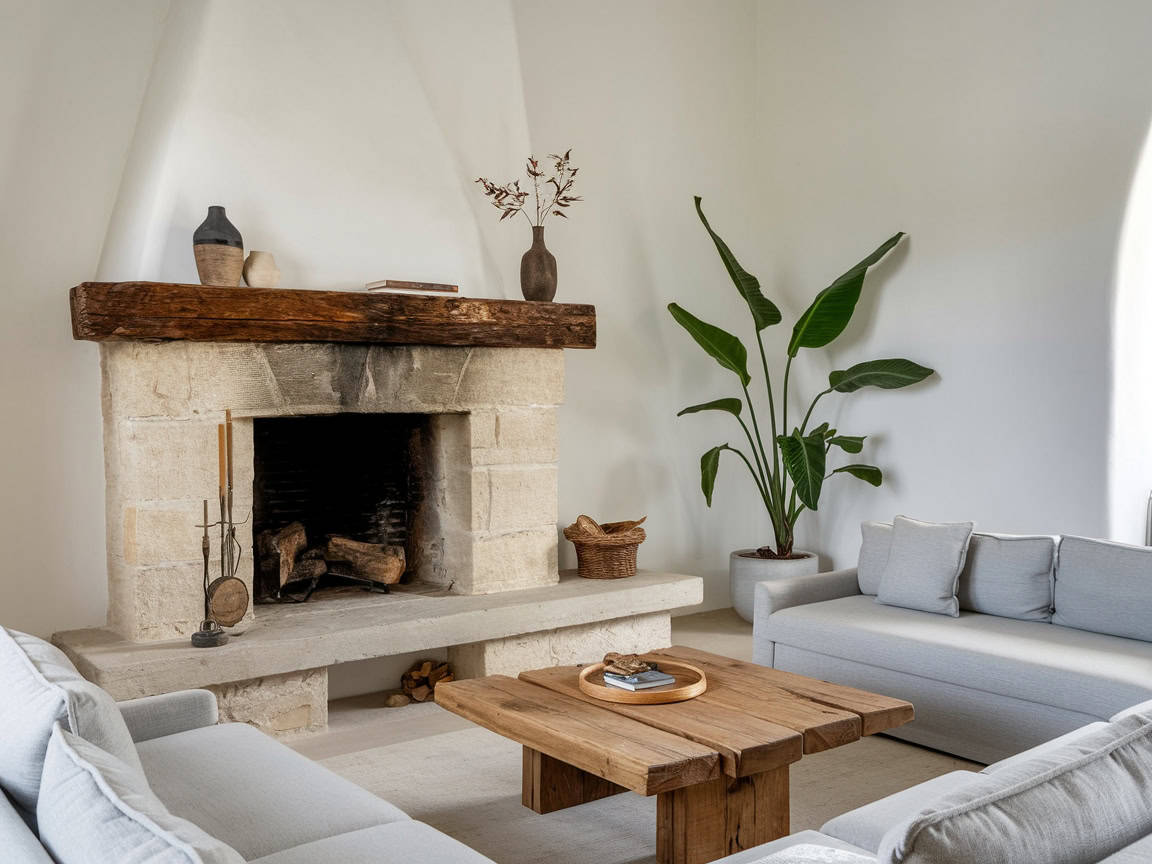
Modern Rustic Dwellings: Blending Rural Charm & Modernity
In an increasingly fast-paced world, there's a growing yearning for spaces that offer both sanctuary and sophistication. This desire has fueled the rise of modern rustic dwellings – homes that beautifully bridge the gap between pastoral tranquility and contemporary design. Far from being a mere trend, the appeal of a rustic dwelling reimagined for the 21st century lies in its ability to offer warmth, authenticity, and a deep connection to nature, all while providing the comforts and aesthetics of modern living.
These unique homes are a testament to thoughtful design, bringing together the raw beauty of natural materials with the clean lines and open spaces characteristic of modern architecture. Whether nestled on a mountainside, perched overlooking a serene lake, or hidden within a dense forest, modern rustic dwellings are more than just houses; they are havens that invite occupants to slow down, appreciate their surroundings, and live in harmony with both tradition and innovation.
The Philosophy Behind Modern Rustic Design
The essence of a modern rustic dwelling lies in its paradoxical harmony. It's about finding common ground between two seemingly disparate styles: the unrefined, often rugged charm of the countryside and the sleek, minimalist ethos of contemporary design. This isn't just about throwing a few barn doors into a modern home; it's a deeply considered architectural and interior design philosophy that aims to create spaces that feel both established and forward-thinking.
One of the primary drivers for this style is the desire to reconnect with nature. Modern rustic architecture often integrates homes seamlessly into their natural surroundings, blurring the lines between indoor and outdoor living. It's a style born from a profound respect for natural materials and a wish to showcase their inherent beauty. Architects and builders often draw on extensive expertise, combining a deep understanding of home design with practical construction knowledge to bring these complex visions to life.
Moreover, modern rustic design often serves as an elegant solution for reconciling differing aesthetic preferences within a household. Imagine a couple where one partner adores the cozy, traditional feel of a lodge, while the other gravitates towards minimalist, contemporary spaces. Modern rustic provides a sophisticated compromise, creating environments that satisfy both desires for warmth and sleekness, a balance often achieved through meticulous planning, 3D models, and hand sketches.
Essential Elements of a Modern Rustic Home
Creating an authentic modern rustic dwelling requires a deliberate selection of key elements that speak to both sides of its design personality.
- Open Floor Plans: A hallmark of modern architecture, the open floor plan is crucial. It fosters a sense of spaciousness, allows natural light to penetrate deeply into the home, and promotes a fluid connection between living, dining, and kitchen areas. This expansive layout provides the "blank canvas" that allows light, shadow, and materiality to truly express themselves.
- Natural Architectural Elements: The foundation of any rustic aesthetic is its embrace of raw, natural materials. Exposed timber beams, often left in their natural state or lightly stained, provide a warm, structural focal point, reminiscent of traditional log cabins or farmhouses. Stone, whether used for accent walls, fireplaces, or exterior cladding, adds a timeless, earthy texture. The coolness of stone often provides a beautiful counterpoint to the warmth of wood.
- Contrasting Materials and Textures: The magic happens in the juxtaposition. While rough-hewn timber beams anchor the space in rustic tradition, sleek elements like metal railings can introduce a contemporary edge. These metallic accents, often in matte black or brushed steel, create a striking contrast that highlights the natural beauty of the wood while injecting modern sophistication.
- Sustainable Choices: Many modern rustic designs inherently lean towards sustainability by prioritizing durable, locally sourced natural materials. Reclaimed wood, for instance, not only tells a story but also reduces demand for new timber, aligning with eco-conscious building practices.
Crafting the Interior: Where Warmth Meets Sleekness
The interior of a modern rustic dwelling is where the blend truly comes alive, showcasing how traditional comfort can coexist with contemporary style. It’s a delicate dance between rugged charm and refined elegance.
- Warm Color Palettes: The color scheme typically leans towards soft, neutral tones. Earthy browns, warm grays, creamy off-whites, and muted greens create a calming backdrop that allows the natural materials to shine. These palettes are carefully chosen to complement the coolness of stone and the richness of wood, creating an inviting and cohesive atmosphere.
- Sleek Kitchens within Rustic Envelopes: As evidenced by popular opinion, rustic modern kitchens are highly sought after. Imagine a sleek, chic kitchen with minimalist cabinetry, state-of-the-art appliances, and clean countertops nestled within the envelope of a lofty, lodgy mountain chalet. The contrast is compelling: modern functionality meets timeless charm. A rustic kitchen island made from reclaimed wood might provide an anchor, while modern lighting fixtures illuminate the space.
- Modern Furniture with Rustic Accents: Furniture selection is key. Opt for modern pieces with clean lines and comfortable upholstery, prioritizing function and aesthetic appeal. These might be complemented by thoughtfully chosen rustic accents, such as a live-edge wood coffee table, an antique chest used as a side table, or artisan-crafted textiles. The goal is comfort and style without clutter, avoiding overly ornate or heavy traditional pieces.
- Thoughtful Lighting: Modern lighting plays a crucial role in highlighting the textures and architectural details of a rustic space. Dimmable fixtures, strategically placed task lighting, and statement pendants can enhance the ambiance and functionality, transforming the dwelling throughout the day and evening.
For a deeper dive into design choices that marry these styles flawlessly, explore our guide on Crafting Modern Rustic Homes: Essential Design Principles.
Integrating with Nature: Views and Light
Perhaps one of the most defining characteristics of a modern rustic dwelling is its profound connection to its natural surroundings. This isn't an afterthought but an integral part of the design process.
- Expansive Glass Features: Modern rustic homes won’t skimp on glass. Large picture windows serve as living artworks, framing breathtaking views of mountains, forests, or lakefronts. Folding glass walls that completely open up to the outdoors blur the distinction between interior and exterior spaces, inviting fresh air and natural light to flood the home. This maximizes the visual and experiential link to the landscape, allowing occupants to feel truly immersed in nature.
- Site-Specific Design: Architects often employ innovative techniques, such as splayed floor plans, to maximize long views and integrate the home seamlessly with the topography. The design process involves careful consideration of the site conditions, budget, and residential style, ensuring that the construction method works best for the specific location. This bespoke approach ensures each dwelling is uniquely tailored to its environment.
- Outdoor Living Spaces: Extending the living area outdoors is a natural progression for modern rustic homes. Spacious decks, patios with fire pits, and integrated landscaping create functional outdoor rooms that complement the interior, perfect for relaxation or entertaining while enjoying the natural beauty.
To see more inspiring examples of how architects achieve this harmonious integration, read about Inspiring Modern Rustic Architecture: Ideas for 21st-Century Living.
Modern rustic dwellings represent more than just a style; they embody a lifestyle choice. They offer a retreat from the digital noise, a return to authenticity, and a celebration of natural beauty, all while embracing the comfort and innovation of contemporary design. This blend creates homes that are not only visually stunning but also deeply comforting and profoundly connected to their place in the world. As we continue to seek balance in our lives, the appeal of a thoughtfully designed rustic dwelling, infused with modern sensibilities, will undoubtedly endure.