Crafting Modern Rustic Homes: Essential Design Principles
In an increasingly fast-paced world, many homeowners yearn for a sanctuary – a place that offers both comfort and a profound connection to the natural world. This longing has fueled the rise of modern rustic design, a captivating aesthetic that masterfully blends the rugged, authentic charm of a traditional rustic dwelling with the sleek lines, open spaces, and conveniences of contemporary living. Far from being an outdated country cottage look, modern rustic homes represent a sophisticated balance, creating an atmosphere that is both cozy and chic, timeless yet fresh. This article delves into the core principles that define this sought-after architectural style, offering insights and practical tips for anyone dreaming of their own modern rustic haven.
The Philosophy Behind Modern Rustic Design
At its heart, modern rustic design is a philosophy of harmony – finding beauty in contrast and authenticity. It's about taking the best elements of a pastoral escape and integrating them seamlessly with 21st-century sophistication. Imagine a mountain chalet or a forest house; these iconic settings embody the natural materials and warmth associated with a rustic dwelling. Modern rustic design takes this inspiration and elevates it, introducing an intentional simplicity and an emphasis on functionality that aligns with contemporary preferences.
This style often emerges from a desire to reconcile differing tastes within a household – perhaps one partner gravitates towards the warmth of wood and stone, while the other prefers minimalist forms and expansive glass. The magic of modern rustic lies in its ability to marry these sensibilities, proving that "rural" and "contemporary" are not mutually exclusive but can create a richer, more engaging environment. It celebrates the honesty of materials, the imperfections that tell a story, and the notion that a home should feel grounded, yet liberating. For more on this captivating blend, explore Modern Rustic Dwellings: Blending Rural Charm & Modernity.
Key Architectural & Interior Elements of a Modern Rustic Home
The distinctive character of a modern rustic dwelling is built upon a foundation of specific architectural and interior design choices. These elements work in concert to achieve that coveted balance of old and new.
Embracing Openness: Floor Plans and Views
- Open Floor Plans: A hallmark of modern design, open layouts are crucial for enhancing light, improving flow, and fostering a sense of spaciousness. They allow for easy transitions between living, dining, and kitchen areas, promoting a communal atmosphere.
- Framed Views: Modern rustic homes prioritize connection to the outdoors. This means expansive glass features – think large picture windows, floor-to-ceiling panes, and folding glass walls that dissolve the boundary between inside and out. Whether overlooking a pristine lake, a sprawling mountain range, or a secluded backyard, these glass elements transform the landscape into living art. Strategic architectural approaches, like splayed floor plans, are often employed to maximize these long, uninterrupted vistas.
The Beauty of Natural Materials
Materials are the bedrock of any modern rustic home, chosen for their authenticity, texture, and ability to evoke nature's enduring beauty.
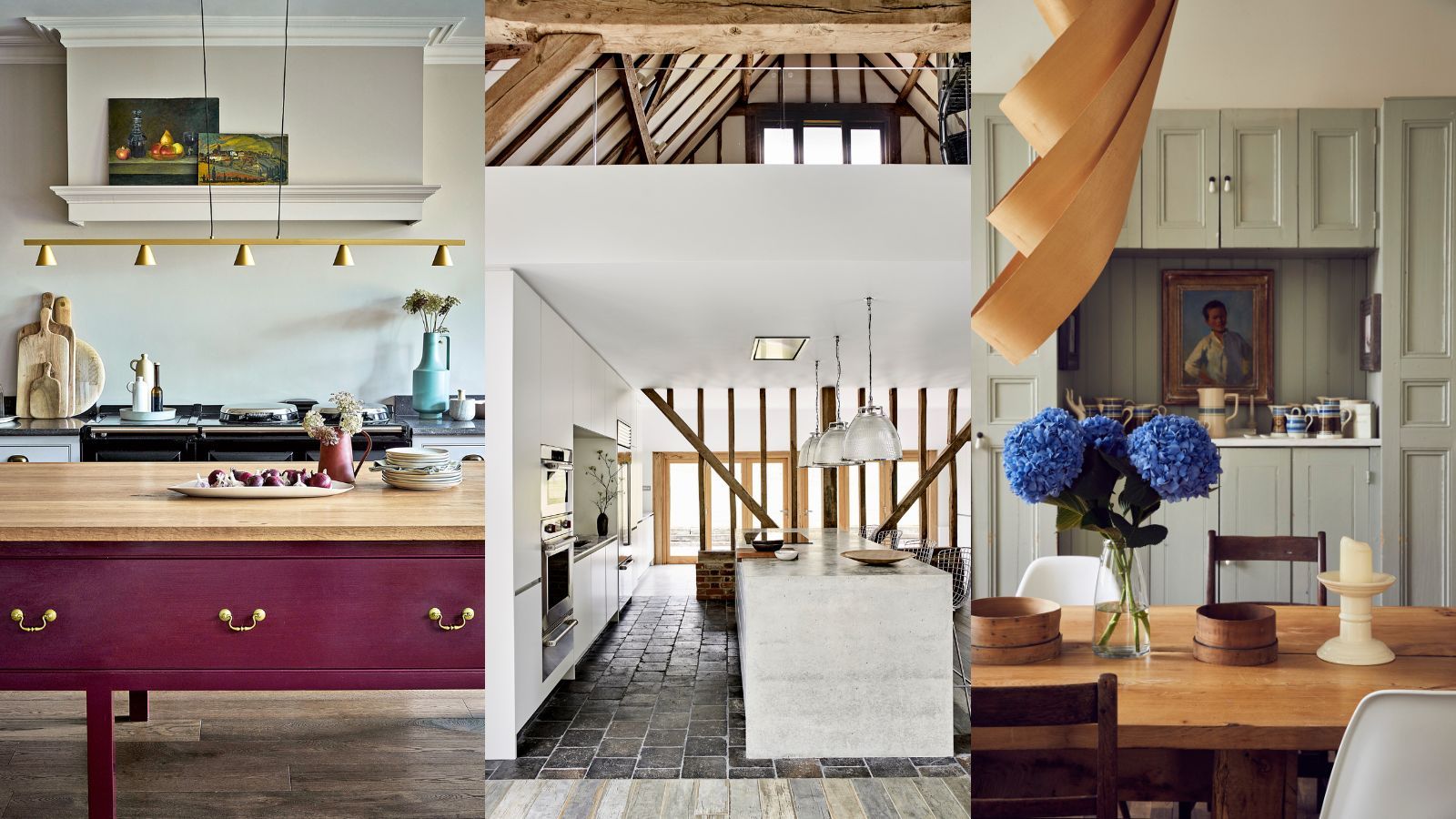
- Exposed Wood: Reclaimed timber beams, rough-hewn posts, and even entire walls clad in natural wood are quintessential. These elements add warmth, history, and a touch of ruggedness. The contrast between these rustic timbers and sleek, modern finishes, such as a metal railing, creates dynamic visual interest.
- Natural Stone: From interior accent walls to robust fireplaces and exterior cladding, stone introduces a cool, earthy element that grounds the design. Its variegated textures and natural hues provide depth and timeless appeal, often complementing warmer wood tones.
- Concrete and Steel: While inherently modern, these materials find their place by providing structural integrity and a subtle industrial edge. Polished concrete floors offer a minimalist base, while steel accents, such as stair railings or window frames, can provide a contemporary contrast to organic materials.
Furniture and Finishes: A Dialogue of Styles
The interior furnishings in a modern rustic home reflect the same balanced approach. Modern furniture with clean lines, simple forms, and often neutral upholstery is chosen to complement, not compete with, the rustic architectural elements. Think comfortable sofas, minimalist dining tables, and functional pieces that prioritize utility and understated elegance. The juxtaposition of a sleek, chic kitchen nestled within a lofty, lodge-like space perfectly exemplifies this principle, highlighting why "rustic modern" kitchens are so popular.
Crafting Ambiance: Color, Light, and Views
Beyond the structural elements, the atmosphere of a modern rustic dwelling is meticulously crafted through thoughtful application of color, light, and a deep respect for its surroundings.
Harmonious Color Palettes
Modern rustic interiors typically gravitate towards soft, neutral, and warm color palettes. Think creams, muted grays, earthy browns, and subtle greens or blues. These understated hues serve as a serene backdrop, allowing the natural textures and colors of wood, stone, and the outdoor environment to truly shine. These warm, neutral tones are especially effective in creating a welcoming feel, beautifully complementing the coolness of stone features.
The Power of Natural Light
Abundant natural light is not merely a preference; it's a design imperative. Large windows and strategically placed openings flood interiors with daylight, enhancing the sense of spaciousness and highlighting the rich textures of the materials. As one architectural concept suggests, the space itself can be viewed as a "blank, white canvas that allows light, shadow, space, and materiality explore their natures alone and together." This interplay of light and shadow dynamically transforms the living spaces throughout the day, bringing the outside in and creating an ever-evolving visual experience.
Integrating the Landscape
The modern rustic home is not just built *in* a landscape; it's built *with* it. Architects often achieve a seamless merger between the home and its site. Whether it's a magnificent view from a Colorado dude ranch or the serene outlook of a lakefront artisan home, the design ensures that the natural beauty outside is an integral part of the interior experience. This deep integration fosters a sense of tranquility and an unbreakable connection to nature, making the home a true extension of its environment.
Practical Considerations for Your Rustic Dwelling Project
Bringing a modern rustic dwelling to life requires careful planning, a keen eye for detail, and often, collaboration with experienced professionals.
Site-Specific Design and Construction
Every plot of land presents unique opportunities and challenges. A successful modern rustic home is custom-tailored to its site conditions, budget, and the client's residential style. This might involve adapting a construction method for a steep mountainside, designing around existing trees in a forest setting, or maximizing waterfront access. Renowned architects and builders with extensive experience are invaluable, guiding clients through iterative design processes, including 3D models and hand sketches, to ensure the final vision perfectly aligns with their dreams.
Sustainability and Technology Integration
Contemporary architecture embraces the latest technology and materials, making modern rustic homes inherently efficient and smart. This includes incorporating energy-efficient windows, advanced insulation, and smart home systems that blend seamlessly into the rustic aesthetic. Sourcing local, sustainable materials not only reduces environmental impact but also deepens the home's connection to its specific region. This commitment to both past and future truly defines modern rustic architecture. For further inspiration, consider Inspiring Modern Rustic Architecture: Ideas for 21st-Century Living.
Adding Personal Touches
While adhering to design principles, a modern rustic home should always reflect its inhabitants. Incorporate artisanal crafts, family heirlooms, or unique art pieces that add character and a personal story. These individual touches provide a layer of warmth and individuality, preventing the space from feeling sterile and ensuring it truly feels like home.
Conclusion
Crafting a modern rustic home is an art form – a thoughtful balancing act between rugged authenticity and contemporary elegance. It's about honoring natural materials, embracing open spaces, maximizing views, and creating an ambiance of warmth and serenity. By thoughtfully integrating these essential design principles, from expansive glass walls and exposed timber beams to neutral palettes and modern furnishings, you can create a truly unique and inviting rustic dwelling that offers both an escape from the ordinary and a sanctuary for modern living.